
Inflation Refused to Cool in July
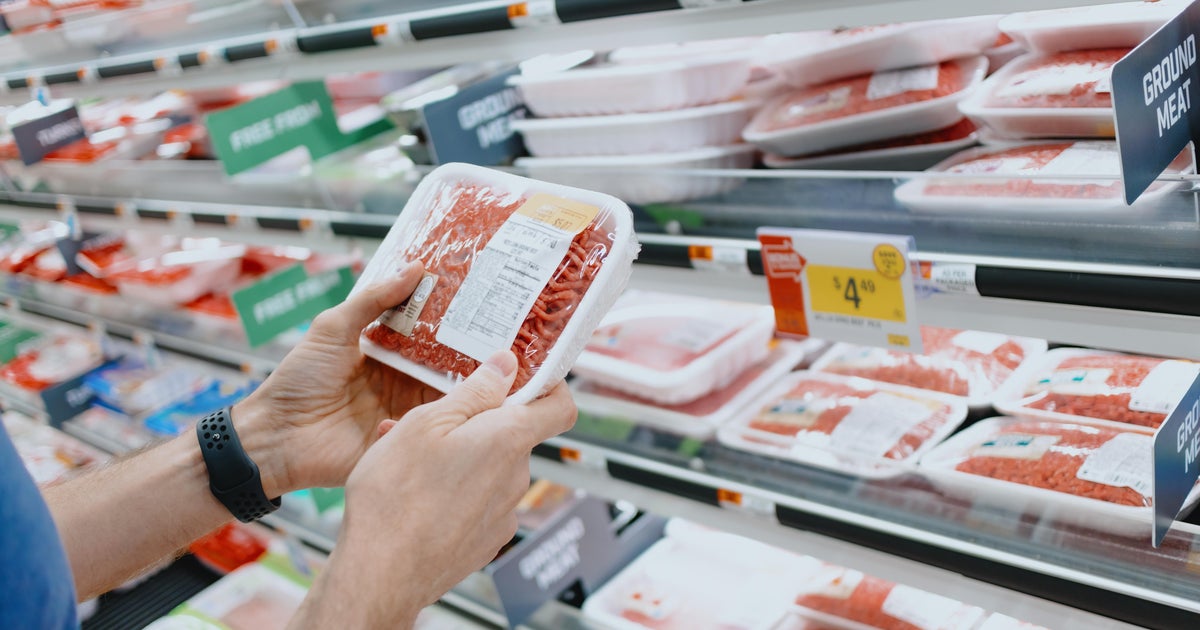
3.7% is where the Federal Reserve's preferred inflation gauge, the Personal Consumption Expenditures index, sat for the second straight month in July. Economists polled by FactSet had penciled in a 3.6% annual increase, according to CBS News, but the report released Wednesday showed no progress since June. The reading landed well above the Fed's long-stated 2% target, leaving policymakers in a difficult position heading into the final months of 2026.
The Bureau of Economic Analysis publishes the core PCE price index monthly as part of its Personal Income and Outlays report. That core measure, which strips out volatile food and energy prices to reveal the underlying inflation trend, rose at an annual rate of 3.3% in July. Economists had forecast 3.2%, making this figure also a miss. Like the headline number, core PCE was unchanged from June, suggesting that price pressures are broadly sticky across the economy rather than concentrated in one category.
Source: CBS News
Energy Costs Are Driving the Pain at the Pump
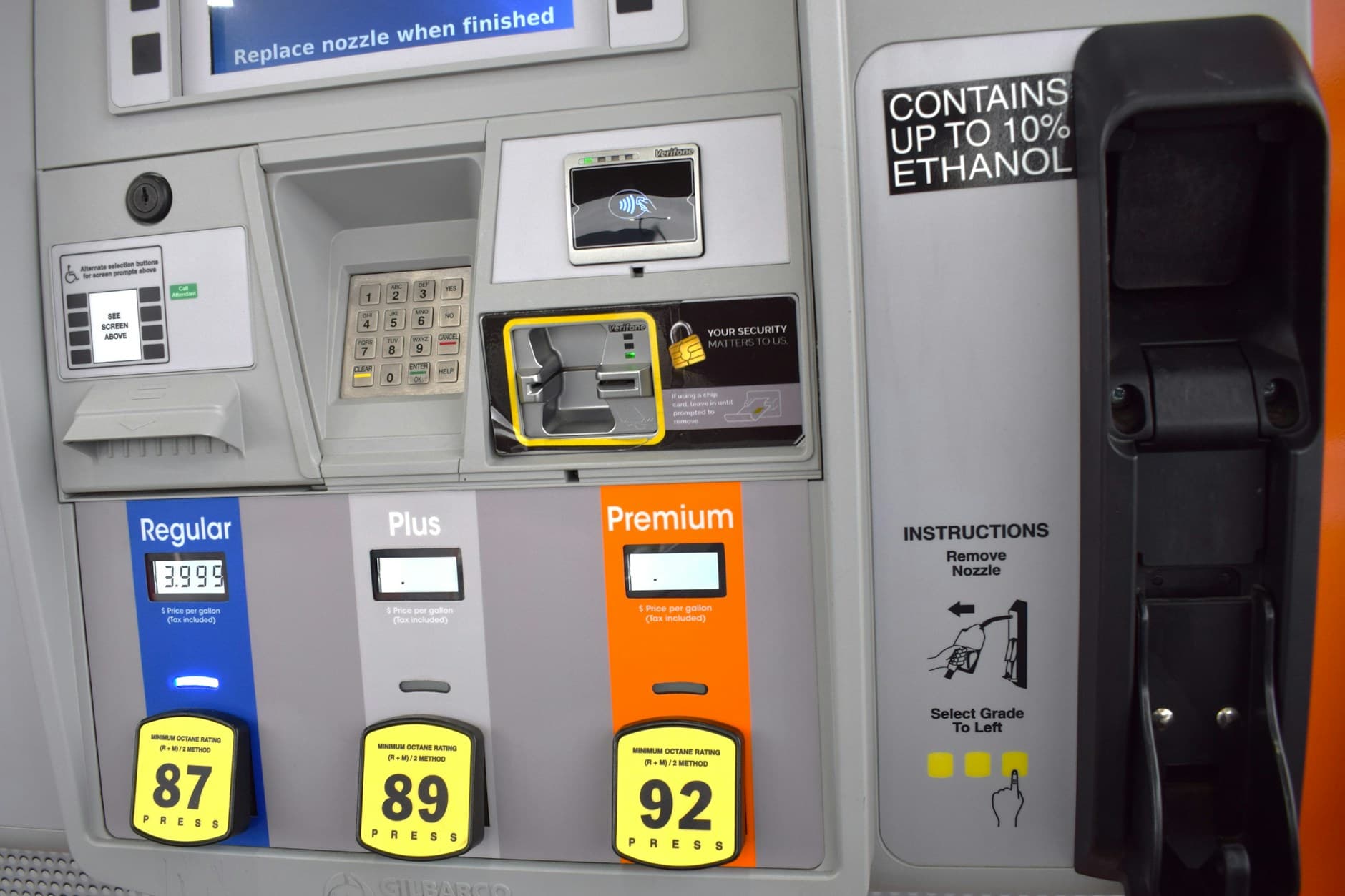
One of the clearest culprits behind stubborn inflation is energy. The ongoing conflict involving Iran has pushed fuel prices sharply higher, with national average gasoline prices sitting at $4 per gallon and diesel reaching $5.60 per gallon, according to Navy Federal Credit Union chief economist Heather Long. The U.S. Energy Information Administration tracks crude oil, gasoline, diesel, and other petroleum products, and current data reflects how geopolitical supply shocks translate directly into costs that households pay every week at the gas station or in the price of delivered goods.
Long stated plainly that "the United States still has an inflation problem" and that "the impacts of the war in Iran are still apparent." PCE has eased from a three-year peak reached in May, but gasoline and diesel costs continue eating into consumer budgets and putting pressure on household spending broadly.
Consumer Spending Is Starting to Crack
The latest data shows that spending fatigue is beginning to show. Goods spending fell by $49.9 billion, a notable pullback that likely reflects households cutting back on discretionary purchases as prices remain elevated. At the same time, spending on services increased by $86.2 billion, keeping overall consumer activity from collapsing entirely. Services spending, which covers rent, healthcare, and utilities among other recurring costs, tends to be less elastic, meaning households often cannot cut it easily even when budgets are tight.
Separate Commerce Department data released on the same Wednesday showed the U.S. economy expanded at just a 1.5% pace in the second quarter, a sluggish reading that matched the government's earlier estimate. Taken together, the PCE and GDP figures paint a picture of an economy cooling in output while prices remain stubbornly high, a combination that complicates the Fed's path forward.
Source: Federal Reserve
All Eyes on Jackson Hole
The Federal Reserve uses the PCE index directly to inform its interest rate decisions, making Wednesday's report a critical input for what comes next. Fed officials have held rates steady throughout 2026, but some have signaled openness to raising them if inflation does not come down. Fed Chair Kevin Warsh is scheduled to speak Friday at the Jackson Hole, Wyoming, economic symposium, where markets will be watching for any hint of a rate move.
eToro U.S. investment analyst Bret Kenwell described the challenge clearly: inflation remains too high for comfort, and Warsh's speech will be scrutinized for clues about how policymakers plan to return PCE toward the 2% target. For households, a rate increase would mean higher borrowing costs on credit cards, auto loans, and any variable-rate debt, adding another layer of pressure to already strained budgets.
Final Thought: With PCE stuck at 3.7% for two consecutive months and fuel prices showing no sign of easing, households face a prolonged stretch of elevated costs while the Fed weighs whether higher interest rates are the next tool it reaches for.