

About 9 million federal student-loan borrowers are currently in default, and the pressure on household budgets just got heavier. On July 1, 2026, the Trump administration's sweeping student-loan repayment overhaul took effect, sending monthly bills hundreds of dollars higher for many of the roughly 43 million Americans carrying federal student debt. The ripple effects, as reported by Business Insider after hearing from nearly 1,000 borrowers over the past year, go well beyond tighter monthly budgets: borrowers are pulling back on retirement savings, postponing homeownership, delaying having children, and taking on extra jobs.
Higher Bills Hit Already-Stretched Households
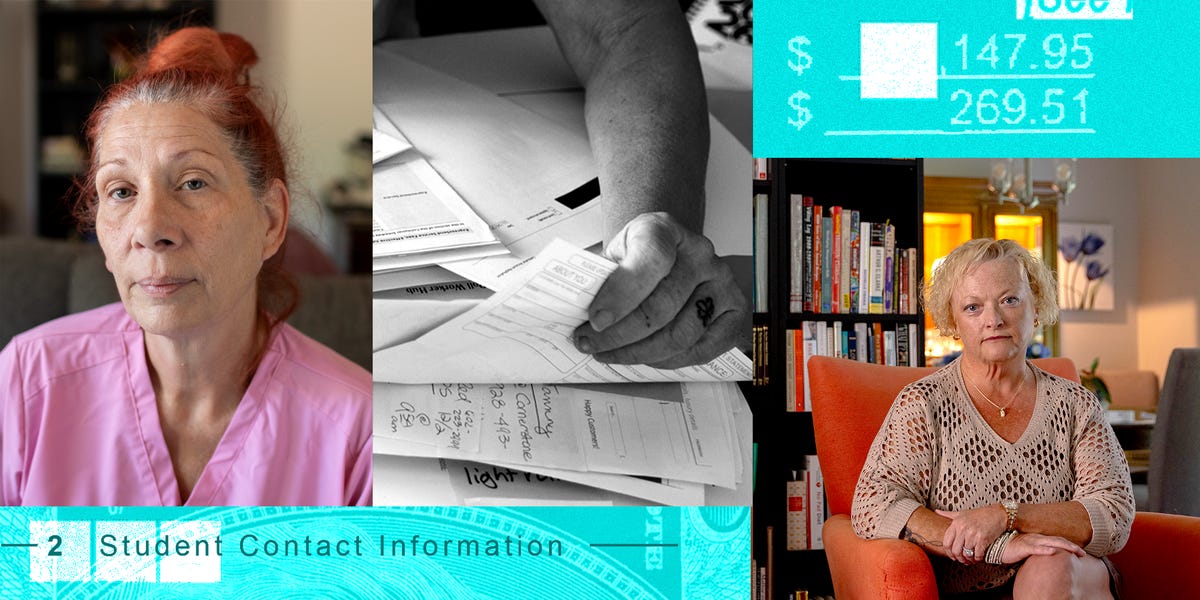
The human cost lands hardest on borrowers whose incomes leave little cushion. Diane Piscopo, 59, took out nearly $54,000 in student loans in 2014 to earn a bachelor's degree in human services from Post University. Funding cuts ended the refugee-assistance program she ran, and she now works 70 hours a week across three jobs, earning an average of $20 an hour. A new monthly student-loan bill of $95 would require her to work an additional full day each month, time she says she simply does not have.
The payment jumps are steeper for others. Jodi Sprague, 54, a middle school teacher, had been paying around $404 a month on an income-driven repayment plan. Her projected payment under the administration's new Repayment Assistance Plan, which became available July 1, is $1,100. Cassandra Kormendy, a 39-year-old single mother of three working as a telehealth mental health therapist, was paying about $530 a month under the SAVE plan and now anticipates a surge to $1,200. The administration eliminated SAVE in March, forcing the 7 million borrowers enrolled in it to transition to a new plan.
Source: Business Insider
Default Risk Grows as Collections Pause Continues
The default picture was already serious before the overhaul landed. According to the latest Federal Student Aid data cited by Business Insider, about 9 million borrowers are in default and about 3.5 million are delinquent. Of those delinquent borrowers, 1.4 million are in late-stage delinquency and are at risk of defaulting within the next six months. The Department of Education paused involuntary collections on defaulted loans in January and has not specified when that pause will lift. When it does, borrowers face wage garnishment and the potential seizure of federal benefits, including Social Security.
The backdrop in the broader college labor market adds context. The Federal Reserve Bank of New York's college labor market tracker shows the unemployment rate for recent college graduates remained elevated at about 5.7 percent in the first quarter of 2026, while the underemployment rate stood at 41.5 percent. Those figures suggest that many borrowers who took on debt expecting strong career earnings are still working below their credential level, which compounds the difficulty of absorbing higher loan payments.
Retirement and Long-Term Financial Plans Take the Hit
The strain does not stop at the monthly payment. Business Insider's reporting captures a pattern in which higher loan bills directly crowd out other household financial priorities. Borrowers describe depleting retirement savings and maxing out credit cards to cover other expenses while trying to manage debt. One borrower in Illinois earning about $62,000 a year said she had depleted her retirement savings and maxed out her credit cards to pay for home repairs, all while bracing for higher payments on a $39,481 student-loan balance. Her monthly payment had been $143 under SAVE; she does not yet know what the new figure will be.
Research from the Federal Reserve Bank of New York on student loan defaults has tracked the return of defaults following the pandemic pause, a trend that aligns with the household-level distress now surfacing in borrower accounts. The Consumer Financial Protection Bureau offers repayment comparison tools and complaint resources for borrowers navigating plan transitions, though the structural change in available plans is what borrowers are now confronting.

Source: Federal Reserve Bank of New York
What the Administration Says
The Trump administration frames the overhaul as a simplification of a complex system and a check on unaffordable borrowing. Undersecretary of Education Nicholas Kent said that the changes are designed to ensure students retain access to federal loans while preventing borrowers from taking on debt levels they may never repay. Whether that long-term goal offsets the immediate household budget squeeze for millions of current borrowers is a question that monthly payment statements are now beginning to answer.
Final Thought: For the millions of households caught between a new repayment plan and a budget that was already at its limit, the July 1 overhaul marks a concrete turning point: higher bills have arrived, the collections pause will not last indefinitely, and the financial decisions being deferred today, retirement savings, homeownership, family planning, carry costs that compound over time.