
Food Bills Stay Elevated Even as Conflict Winds Down
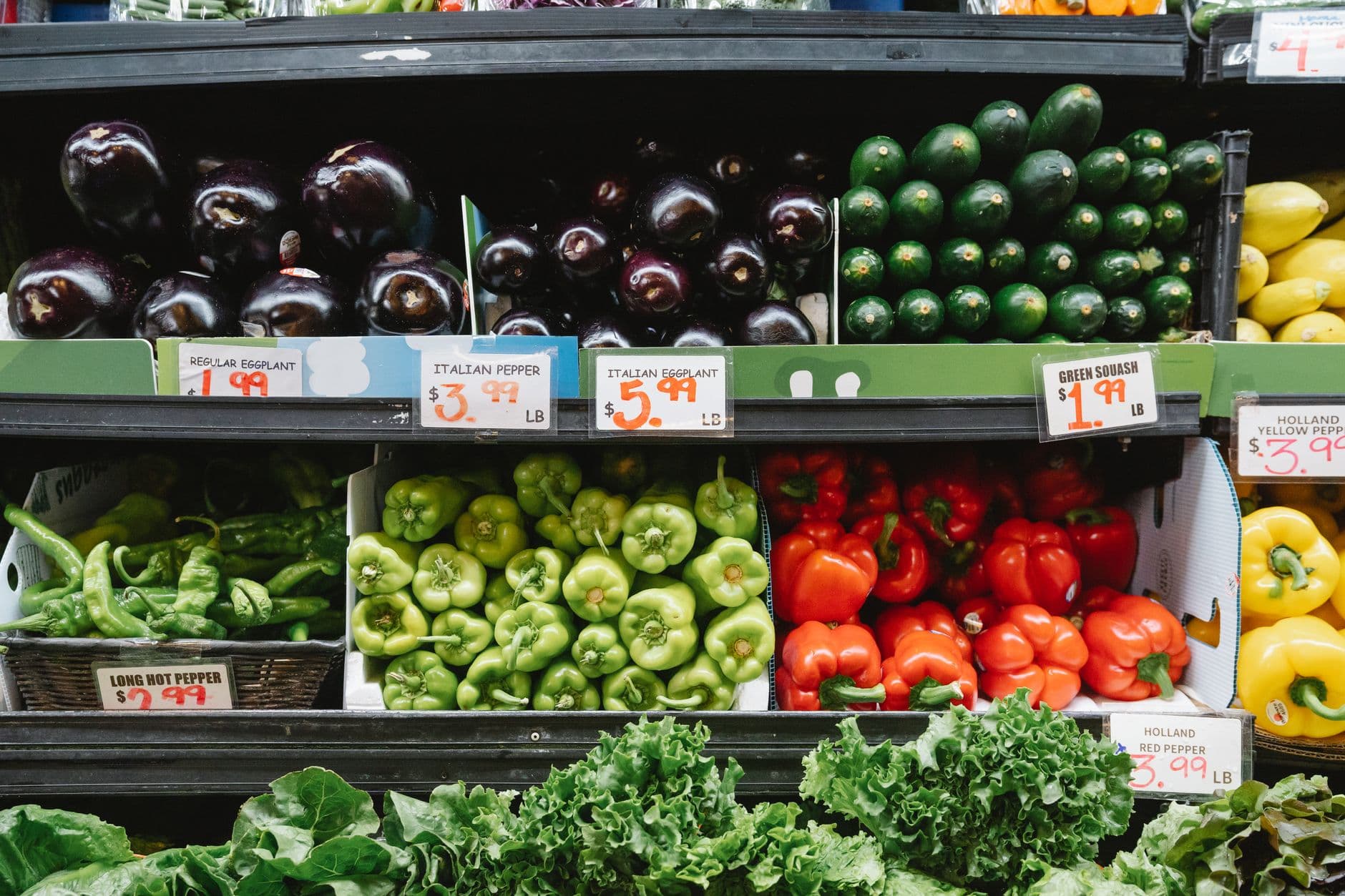
The ceasefire ending the Iran conflict in 2026 brought relief to global markets in many sectors, but American households stocking their refrigerators and pantries are not feeling it at the checkout line. According to Bloomberg, higher food prices have persisted well beyond the conflict itself, a pattern that has become deeply familiar to consumers since the inflation surge of the early 2020s. Geopolitical shocks tend to move food costs quickly and sharply upward; the trip back down is far slower, and sometimes never fully completes.
This dynamic matters directly for household budgeting. Groceries are among the largest non-housing line items in most American family budgets, and unlike discretionary spending, food cannot simply be cut. When prices rise and do not fall after the triggering event ends, every weekly shopping trip quietly drains savings and squeezes other spending categories.

Source: Pexels
Why Core Inflation Metrics Miss the Grocery Problem
Part of what makes this situation frustrating for consumers is how official inflation measures are constructed. The Federal Reserve's preferred gauge, the core PCE price index tracked by the Bureau of Economic Analysis, deliberately strips out food and energy prices. The BEA explains that core PCE excludes those two categories precisely because food and energy prices "tend to swing up and down more dramatically and more often than other prices," making underlying inflation trends harder to read.
That design choice serves monetary policy analysis well, but it means the Fed's headline tool for guiding interest rate decisions does not directly capture the grocery inflation that households experience every week. When food prices spike after an event like a regional war and then stay elevated, the core PCE may signal relative calm even as families face persistently higher bills at supermarkets. The gap between official "core" readings and lived household costs is not a new frustration, but the post-Iran-conflict price stickiness has renewed attention on it.
How Supply Chains Lock In Higher Prices
Food inflation is sticky for structural reasons that outlast any single geopolitical trigger. Energy costs embedded in fertilizer production, freight, and cold-chain logistics mean that even after oil prices moderate, the cost inputs that shaped food prices months earlier remain baked into current shelf prices. Processing, packaging, and labor contracts also adjust slowly. Retailers and food manufacturers, having repriced upward, face little competitive pressure to cut prices aggressively when input costs ease only modestly.
The Iran conflict added pressure to already-strained shipping corridors and energy markets in 2026. Bloomberg's reporting makes clear that the end of active hostilities has not unwound those embedded cost pressures fast enough to show up in grocery aisles. For consumers, that means the elevated spending they adjusted to during the conflict is now simply the new baseline for household food budgets.
What Households Can Realistically Expect
For families managing monthly budgets, the practical takeaway is that food costs are unlikely to revert to pre-conflict levels on any near-term timeline. History from prior inflationary episodes, including the post-pandemic surge, shows that food price reversals are rare once retailers and suppliers have reset their pricing structures. Wage growth may offset some of the burden for employed households, but fixed-income families and lower-income earners face the sharpest squeeze because food represents a larger share of their total spending.
The Federal Reserve, watching core PCE rather than food prices directly, may not respond to grocery inflation with the same urgency consumers might want. That structural mismatch between policymaker tools and household reality is a recurring feature of inflationary periods driven by commodity and supply-chain shocks rather than broad demand overheating.
Final Thought: The end of a conflict stops the bleeding in financial markets, but food prices have their own slower clock. American households should plan for grocery costs to stay elevated well into the second half of 2026, regardless of geopolitical headlines.