

Over 12,000 financial institutions are now accessible through a new ChatGPT feature that lets users link bank and credit accounts directly to the chatbot, according to Yahoo Tech. The rollout, currently in preview for U.S. ChatGPT Pro subscribers, arrived just days after OpenAI introduced what it calls a "personal finance experience" designed to help users track spending, analyze subscriptions, and plan financial goals. The feature carries a steep entry price for now, and it has immediately drawn scrutiny from privacy researchers over how much sensitive data consumers may inadvertently hand over to a conversational AI system.
How the Feature Works and Who Can Access It
The new tools are live in preview for ChatGPT Pro subscribers, whose plans cost $100 per month. OpenAI says it plans to expand the feature to Plus subscribers at $20 per month, though no timeline was given. The account connection runs through Plaid, the same financial data network that powers many existing fintech apps and budgeting tools. Once linked, ChatGPT can review transaction history, flag recurring subscriptions, analyze travel spending, and help users model financial scenarios, all within a conversational interface.
OpenAI has specified that the connections are read-only. The chatbot cannot move money, place trades, or initiate any transactions. Users can disconnect accounts at any time and delete saved memories or conversation history, the company says. OpenAI has also positioned the feature as a budgeting and planning aid, not a substitute for professional financial advice.

Source: Yahoo Tech
Why Privacy Experts Are Skeptical
Despite those guardrails, privacy researchers are raising concerns that go beyond the technical setup. As Investopedia notes in its coverage, the core risk may be behavioral rather than structural. Jennifer King, a privacy and data policy fellow at Stanford's Institute for Human-Centered Artificial Intelligence, has warned that "anything you put into a large language model could potentially become public." Harsh Varshney, an AI security expert at Google, recently compared sharing sensitive data in AI chatbot conversations to writing "a public postcard," urging users to keep passwords, credit card numbers, medical records, and home addresses out of those exchanges.
The concern is that ChatGPT, as an open-ended conversational tool, naturally invites broader disclosure than a structured app. A user discussing a grocery budget can drift into conversations about debt stress, medical bills, or tax worries within the same session. Over many conversations, that pattern can build a detailed personal profile that goes well beyond what a conventional bill tracker or expense sheet captures.
How This Differs From Traditional Budgeting Apps
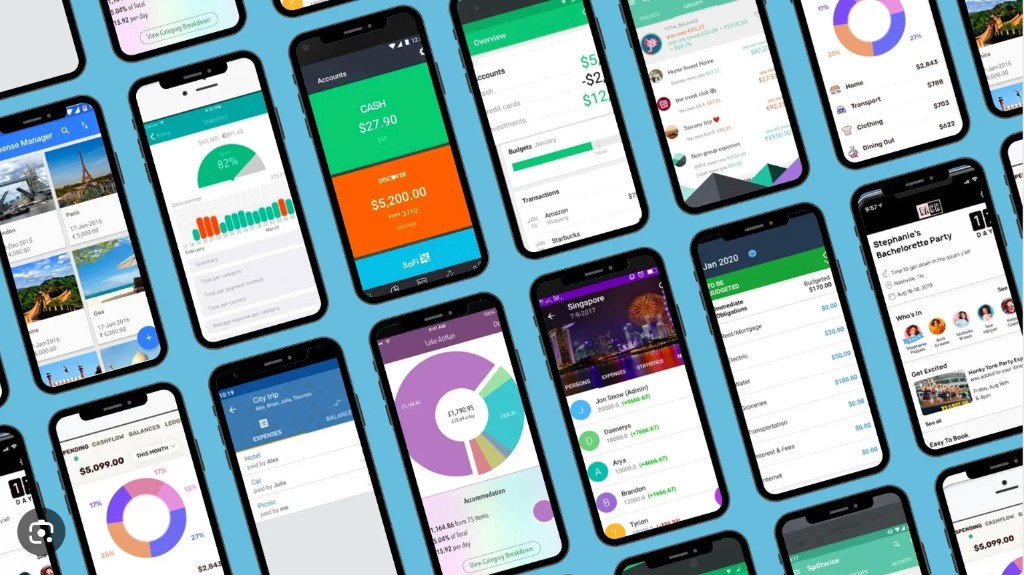
The Plaid connection itself is familiar ground. Apps such as Monarch Money and Rocket Money have used the same back-end network for years to aggregate accounts and categorize spending. What separates ChatGPT is the conversational format, which lacks the structured task boundaries those apps enforce. Traditional budgeting tools present forms and categories; a chatbot asks open questions and follows up.
Privacy experts say that distinction matters because many consumers may not actively manage the privacy settings OpenAI provides. Controls that require users to regularly disconnect accounts, clear conversation history, or audit saved memories only protect those who use them consistently. Research has repeatedly shown that most users accept default settings rather than customizing them.
The boundary between apps and AI assistants is also narrowing. Some budgeting apps already embed AI features that answer spending questions or flag anomalies, which means similar privacy considerations may soon apply across a wider range of consumer finance tools, not just ChatGPT.
Source: SmarterTravel
What Households Should Consider
For consumers weighing the feature, experts draw a clear line: using an AI tool to organize a budget or review subscription charges is a different exposure level than uploading tax returns, sharing Social Security numbers, or pasting in screenshots of sensitive account statements. The read-only account link through Plaid may carry risk comparable to existing apps, but the open-ended conversation layer adds a new dimension that structured tools do not.
OpenAI's privacy controls exist, but they require active, ongoing use to be effective.
Final Thought: ChatGPT's Plaid integration brings AI-powered budgeting to a mainstream audience, but the conversational format creates oversharing risks that differ meaningfully from traditional expense-tracking apps. Households that try the feature should treat the chat window with the same caution they would apply to any public-facing platform.