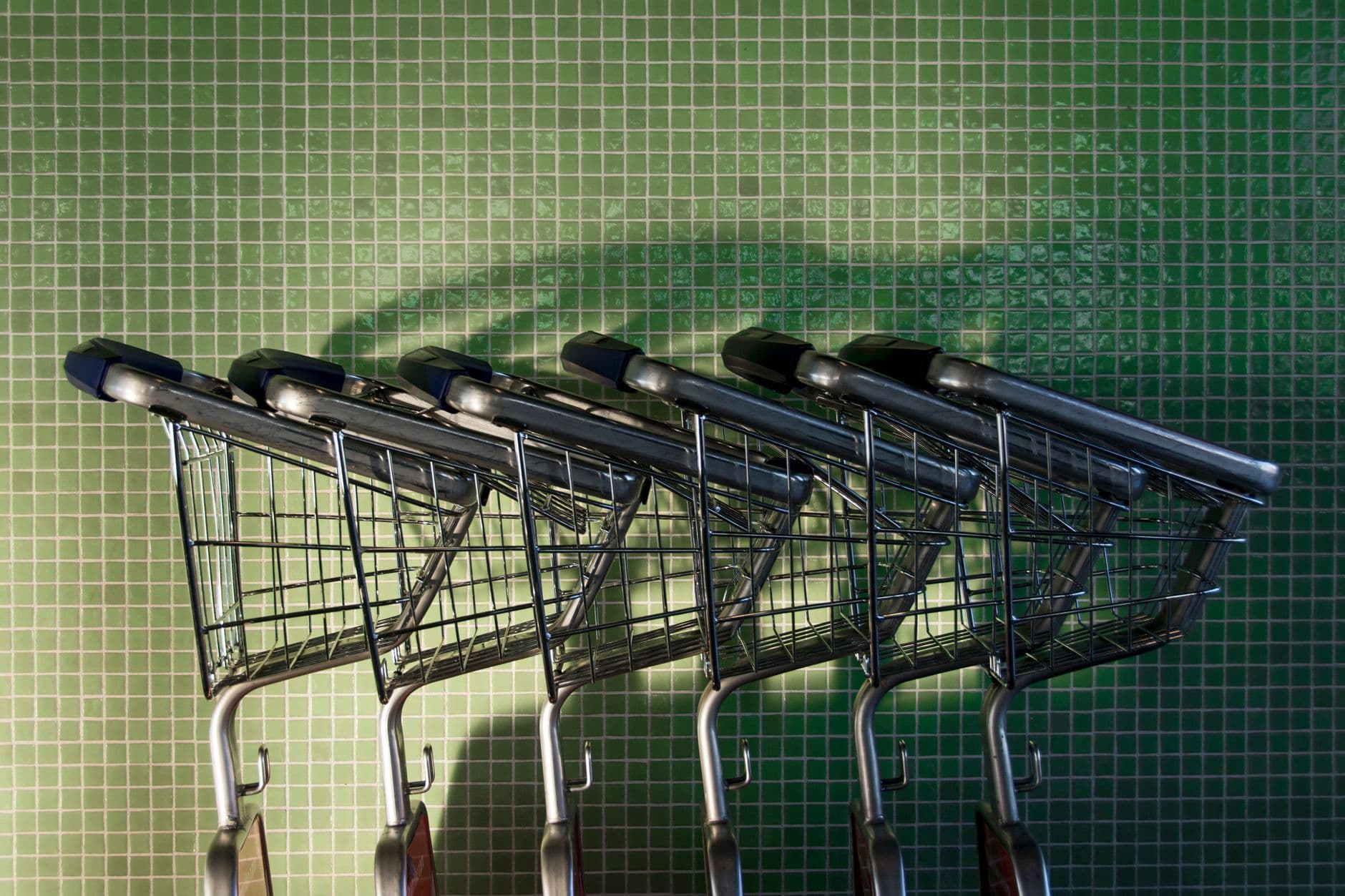

Shoppers Are Putting Less in the Cart
The clearest sign of financial strain in American households right now may not be in a bank statement but in a grocery cart. Grocery unit sales fell 1.8% in June from a year earlier, a sharp reversal from the 0.1% year-over-year growth recorded in June 2025, according to Bain & Company analysis of NielsenIQ data reported by CNBC. Prices are still rising about 2% to 3% year over year, but that inflation cushion is no longer enough to keep overall grocery sales growing when shoppers buy fewer items.
That pullback is not abstract. Bain's U.S. Consumer Pulse Wave survey in May found 80% of Americans are still trying to spend less, while 28% are actively cutting back on grocery spending. Among those cutting grocery outlays, 56% said they are trading down to cheaper brands, 49% said they are buying fewer items, and 44% said they are relying more heavily on coupons and promotions.
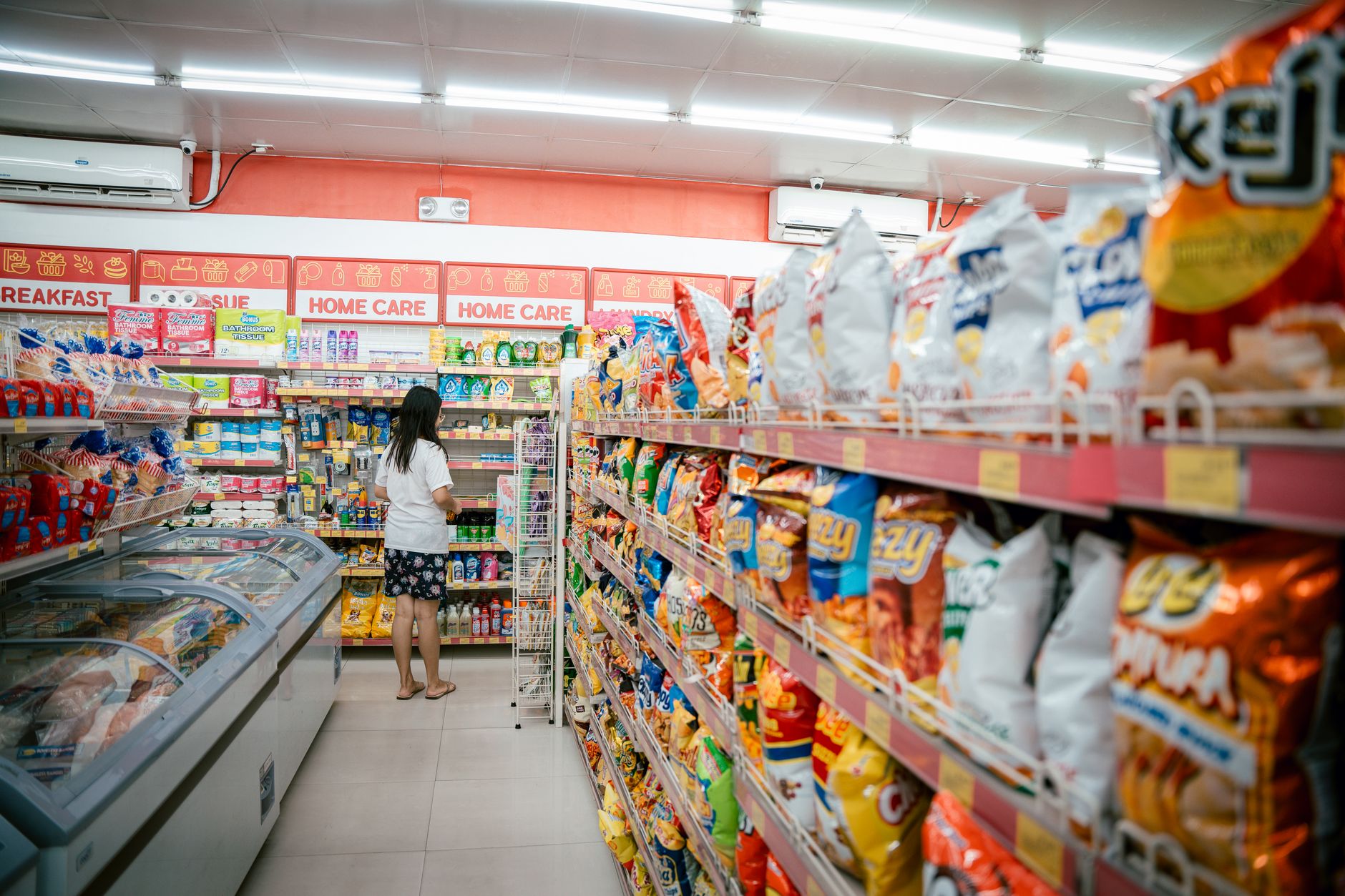
Source: Pexels
Why Cart Sizes Are Shrinking
Several forces have converged. Groceries cost about 33% more than in 2019, Bain told CNBC, enough that even higher-income shoppers feel sticker shock on a full stock-up trip. Kurt Grichel, head of Bain's Americas retail practice, put it plainly: the big grocery run that cost $300 in 2019 now runs closer to $400. Fuel costs have also spiked, and many lower-income households have had to cut back amid reduced SNAP benefits and tighter program eligibility.
Official price data still shows grocery inflation in the background even when it is slower than the 2022 peak. The Bureau of Labor Statistics reported that the food-at-home index rose 2.7% over the 12 months ending in June 2026 and 0.2% in June alone. Within that month, dairy and related products rose 1.2%, and the eggs index jumped 4.3%, helping push meats, poultry, fish, and eggs up 0.6%.
The behavioral shift matters as much as the price level. Rather than only swapping name brands for store brands, more shoppers are reducing purchase quantities outright. Buying one bottle of salad dressing instead of two, skipping the snack aisle, or choosing smaller packages all lower item counts even when the per-unit price holds steady.
Pressure Builds on Food Companies
For manufacturers and retailers, fewer items in fewer carts is a direct hit to volume. PepsiCo told investors that North America food revenue fell 2% in the second quarter while volume was flat, and CEO Ramon Laguarta pointed to a weaker consumer than expected, driven mainly by gas prices, plus more promotional activity as shoppers grew price sensitive, CNBC reported.
Retailers including Walmart and Kroger have leaned into price cuts and value promotions to defend traffic. Walmart announced summer reductions on beef, ice cream, and other items, including products from PepsiCo, Coca-Cola, and its own Great Value line, as merchants try to get back to unit growth, not just dollar growth.
What This Means for Household Budgets
For consumers, the shrinking cart is both a symptom and a strategy. It reflects real financial pressure after years of elevated food costs, but it also shows households actively managing spending when rent, utilities, insurance, and debt remain sticky. Food is one of the few major expense categories where people can make immediate, week-to-week adjustments without a contract or a cancellation fee.
The risk is that food companies and retailers, squeezed on volume, pull back on the deals and promotions that help budget-conscious shoppers stretch their dollars. If promotional depth decreases while base prices stay high relative to 2019, the everyday cost of feeding a household could hold firm or creep higher even as overall unit sales slow.
Final Thought: The 2026 grocery pullback shows that when prices stay elevated long enough, households shift from trading down to simply buying less, a dynamic that signals durable budget stress rather than a temporary adjustment.