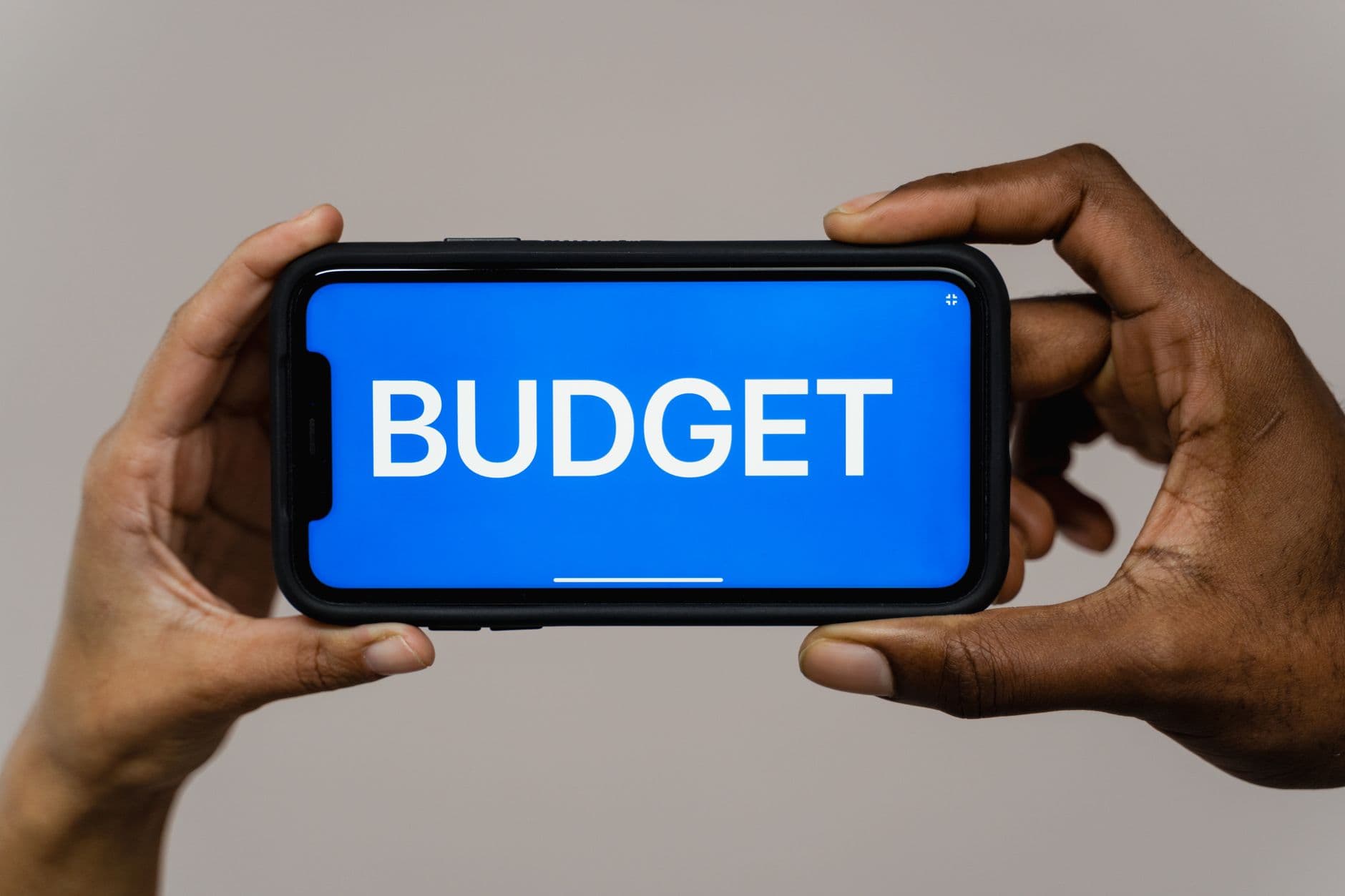

How Budgeting Apps Connect to Your Bank
The security model behind most popular budgeting apps has now been tested across millions of users, according to USA Today's review of the space. Rather than asking for direct access to your bank, apps typically route the connection through a third-party data aggregator such as Plaid. That intermediary verifies your credentials but never passes your username or password to the budgeting app itself. The result is that the app receives a limited data feed while your actual login information stays with the aggregator.
Plaid reports that its Link product has been used by more than 50% of Americans with bank accounts and connects to more than 12,000 financial institutions globally, with roughly 750,000 new account connections processed each day. That scale reflects how mainstream bank-linked budgeting has become, even as forum threads and media coverage still treat account linking as a fringe risk.
This structure is central to understanding what the app can and cannot do. Because the connection is read-only, the app can see your transaction history and balances but cannot initiate payments, withdrawals, or transfers. Even in a breach scenario, an attacker who compromised the budgeting app would not automatically gain the ability to move money out of your accounts.
Source: Pexels
The Protections Already Built In
Established budgeting apps layer several security controls on top of the aggregator model. Encryption converts your data into unreadable code during both transmission and storage, and only a unique digital key can unlock it. This is the same standard used by mobile banking apps. Multi-factor authentication (MFA) adds a second verification step, typically a code sent by text or generated by an authentication app, before granting access. Many apps also monitor for logins from unfamiliar devices or locations and send alerts when something looks unusual.
Financial advisor Scott Jones, founder of Genesis Wealth Advisor Group, told USA Today the model "has been stress-tested over millions of users at this point, and it has held up reasonably well." His advice to families asking whether account linking is safe: "Yes, generally, when you stick with established names."
Where the Real Risk Lives
Consumer fraud losses are rising sharply, but the Federal Trade Commission's 2024 data show the biggest dollar losses come from investment scams ($5.7 billion reported) and imposter fraud ($2.95 billion), not from read-only budgeting connections. Americans reported more than $12.5 billion in total fraud losses in 2024 across 2.6 million reports, and consumers lost more money when they sent funds via bank transfers or cryptocurrency than through all other payment methods combined.
Those patterns matter for how households should think about budgeting apps. A scam that starts with a phishing text or a fake investment pitch is a different threat model than linking Mint or YNAB to a checking account through Plaid. The FTC's consumer guidance on identity theft and account security focuses on credential theft, imposter contact, and payment fraud, not on legitimate read-only data feeds from established aggregators.
Despite strong platform-level protections, the source of most actual losses in budgeting-adjacent fraud tends to be user behavior, not app infrastructure. Jones pointed directly to credential reuse: "The password on your budgeting app is the same one protecting your bank login is what actually causes losses." Weak or recycled passwords, downloading unverified apps, and falling for phishing attempts all raise exposure regardless of how secure the app itself is.
Logging in only on private Wi-Fi, using unique passwords for each financial account, and enabling MFA wherever it is available are among the behaviors that reduce risk most directly.

Source: USA Today
What to Check Before You Link an Account
Not every app on the market meets the same standard, and the gap between reputable and unverified services is significant. Before connecting financial accounts, consumers should look for a clearly written privacy policy that states whether data is sold or shared with third parties. Jones put it plainly: "If the privacy policy is vague, that's usually your answer."
Other signals worth checking include whether the app uses a recognized aggregator, whether MFA is available and enabled by default, and whether the company has a track record and identifiable ownership. New or untested apps that lack transparency on these points carry meaningfully higher risk than established platforms, even if their feature set looks similar.
Budgeting apps that meet these criteria operate with security practices comparable to mobile banking apps, and their read-only access limits financial exposure even when things go wrong.
Final Thought: The read-only architecture that most reputable budgeting apps use means a data breach at the app level is unlikely to empty your bank account, but reusing passwords across financial services remains the most direct path to real losses.